The Importance of Commercial HVAC Maintenance: Ensuring Efficiency and Cost Savings
Diving into the realm of commercial HVAC maintenance, one can uncover the vital role it plays in the functionality and longevity of HVAC systems in commercial settings. From ensuring energy efficiency to reducing operational costs, the significance of regular maintenance cannot be overstated.
Let's explore the intricacies of commercial HVAC maintenance in this engaging discussion.
Detailing the key components, best practices, and benefits of outsourcing HVAC maintenance services will equip businesses with the knowledge needed to make informed decisions for their commercial HVAC systems.
Importance of Commercial HVAC Maintenance

Regular maintenance of commercial HVAC systems is crucial for ensuring optimal performance and longevity. Neglecting maintenance can lead to various consequences that can impact the comfort of occupants and the overall operation of the building.
Prevent Costly Breakdowns
Regular maintenance helps identify and address potential issues before they escalate into major problems. By conducting routine inspections and addressing minor repairs promptly, you can prevent costly breakdowns that may disrupt operations and lead to expensive emergency repairs.
Improve Energy Efficiency
Proper maintenance of HVAC systems can improve energy efficiency, leading to reduced energy consumption and lower utility bills. Dirty filters, clogged ducts, or malfunctioning components can cause the system to work harder than necessary, resulting in increased energy usage. By keeping the system clean and well-maintained, you can ensure it operates efficiently and effectively.
Extend Equipment Lifespan
Regular maintenance can help extend the lifespan of your commercial HVAC equipment. By keeping the system clean, lubricated, and properly calibrated, you can reduce wear and tear on components and ensure that the equipment operates smoothly for years to come.
This can help you avoid premature replacements and save on costly equipment upgrades.
Ensure Comfort and Air Quality
Proper maintenance of HVAC systems is essential for ensuring the comfort and well-being of building occupants. Regular maintenance can help regulate indoor temperature, humidity levels, and air quality, creating a healthy and comfortable environment for employees, customers, and visitors. It can also help prevent issues such as poor ventilation, mold growth, or indoor air pollution.
Compliance with Regulations
Regular maintenance of commercial HVAC systems is often required to comply with building codes and regulations. By staying up to date with maintenance schedules and inspections, you can ensure that your systems meet safety and environmental standards, avoiding potential fines or penalties for non-compliance.
Components of Commercial HVAC Systems

Commercial HVAC systems consist of several key components that work together to keep indoor environments comfortable and safe. Understanding the function of each component is essential in recognizing the importance of regular maintenance to ensure optimal performance and longevity of the system.
Air Handling Units (AHUs)
An air handling unit is responsible for circulating and regulating the flow of air throughout the building. It contains filters to remove dust and other particles from the air, as well as heating and cooling coils to adjust the temperature as needed.
Regular maintenance of AHUs involves cleaning or replacing filters, checking coils for damage, and ensuring proper airflow to maintain indoor air quality and energy efficiency.
Chillers
Chillers are the heart of the HVAC system, providing cooling through the circulation of chilled water. They are essential for maintaining comfortable temperatures in large commercial spaces. Routine maintenance of chillers includes checking for leaks, monitoring refrigerant levels, and inspecting components for wear and tear.
Proper maintenance can prevent breakdowns and extend the lifespan of the equipment.
Ductwork
Ductwork is responsible for distributing heated or cooled air throughout the building. It consists of a network of metal or fiberglass channels that deliver air to different rooms. Regular maintenance of ductwork involves cleaning to remove dust and debris, checking for leaks or damage, and ensuring proper insulation to prevent energy loss.
Well-maintained ductwork improves air quality and reduces energy consumption.
Thermostats and Controls
Thermostats and controls regulate the operation of the HVAC system, allowing users to adjust temperature settings and schedule heating or cooling cycles. Regular maintenance includes calibrating thermostats for accuracy, checking wiring for loose connections, and updating controls for optimal performance.
Properly maintained thermostats and controls ensure efficient operation and comfort control.
Condenser Units
Condenser units are located outside the building and are responsible for releasing heat absorbed from the indoor air. They work in conjunction with the chillers to cool the circulating refrigerant. Regular maintenance of condenser units involves cleaning the coils, checking refrigerant levels, and inspecting components for wear and tear.
Proper maintenance helps improve cooling efficiency and prevent system malfunctions.
Best Practices for Commercial HVAC Maintenance
Regular maintenance of commercial HVAC systems is crucial to ensure optimal performance and longevity. By following best practices, businesses can avoid costly repairs, improve energy efficiency, and maintain a comfortable indoor environment for employees and customers.
Recommended Maintenance Schedule
- Perform quarterly inspections and filter replacements to keep the system running smoothly.
- Schedule bi-annual tune-ups by professional technicians to check for any issues and make necessary adjustments.
- Conduct annual deep cleanings of the system to remove dirt, debris, and buildup that can hinder performance.
The Importance of Hiring Professional Technicians
While some maintenance tasks can be handled by in-house staff, hiring professional technicians is essential for more complex procedures. These trained experts have the knowledge and tools to identify potential problems early on and ensure that the system is functioning at its best.
Tips for Preventive Maintenance
- Regularly check air filters and replace them when dirty to prevent airflow restrictions and improve indoor air quality.
- Keep outdoor units clear of debris and vegetation to promote proper airflow and prevent overheating.
- Monitor thermostat settings and adjust them seasonally to optimize energy efficiency without sacrificing comfort.
Benefits of Outsourcing HVAC Maintenance Services

Outsourcing HVAC maintenance services can offer numerous advantages compared to in-house maintenance. By entrusting the care of your commercial HVAC system to a professional maintenance company, you can experience cost savings, improved system performance, and access to specialized services tailored to your specific needs.
Cost Savings and Improved System Performance
Outsourcing HVAC maintenance allows you to benefit from the expertise of trained professionals who have the knowledge and experience to optimize the performance of your system. By conducting regular inspections, tune-ups, and repairs, these professionals can help prevent costly breakdowns and ensure that your HVAC system operates efficiently, reducing energy consumption and utility costs.
Specialized Services
Professional HVAC maintenance companies offer a range of specialized services to address various needs and challenges faced by commercial properties. These services may include air quality testing, duct cleaning, refrigerant management, and energy efficiency assessments. By outsourcing these tasks to experts in the field, you can ensure that your HVAC system operates at peak performance and complies with industry regulations.
Last Recap
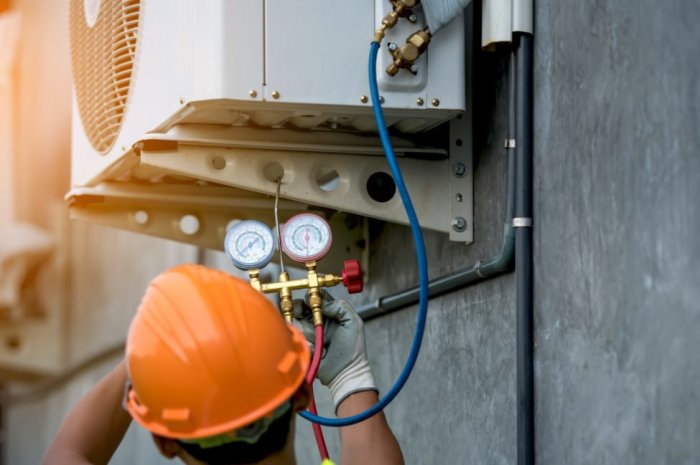
In conclusion, commercial HVAC maintenance is not just a necessity but a strategic investment for businesses looking to optimize their systems and save on costs in the long run. By adhering to best practices and considering outsourcing options, companies can ensure the smooth operation of their HVAC systems for years to come.
Common Queries
Why is regular maintenance crucial for commercial HVAC systems?
Regular maintenance helps prevent breakdowns, maintains energy efficiency, and prolongs the lifespan of the system.
What are the potential consequences of neglecting maintenance?
Neglecting maintenance can lead to increased energy consumption, system failures, and costly repairs.
What is a recommended maintenance schedule for commercial HVAC systems?
It is recommended to have maintenance checks at least twice a year, ideally before the start of the cooling and heating seasons.
Why is it important to hire professional technicians for maintenance tasks?
Professional technicians have the expertise to identify and address issues effectively, ensuring the optimal performance of the HVAC system.
What are some examples of specialized services that professional HVAC maintenance companies offer?
Professional HVAC maintenance companies may offer services such as duct cleaning, indoor air quality assessments, and energy efficiency audits.