Central Air Replacement: Enhancing Indoor Comfort and Efficiency
Central air replacement is a crucial aspect of maintaining a comfortable and energy-efficient indoor environment. From identifying the signs that signal the need for a replacement to understanding the various types of central air systems available, this comprehensive guide delves into everything you need to know about upgrading your cooling system.
As we explore the importance of proper installation, cost considerations, and maintenance tips for new central air systems, you'll gain valuable insights to make informed decisions for a more efficient and reliable cooling solution.
Overview of Central Air Replacement

Central air replacement is essential for maintaining indoor comfort and energy efficiency in residential and commercial spaces. Over time, central air systems can become less effective, leading to increased energy costs and discomfort.
Importance of Central Air Replacement
Replacing your central air system when necessary can help ensure optimal performance and efficiency. Signs that indicate the need for replacement include:
- Consistently high energy bills despite regular maintenance.
- Uneven cooling throughout your space.
- Frequent breakdowns or repairs needed.
- An aging system that is over 10-15 years old.
Average Lifespan and Replacement Timing
On average, central air systems have a lifespan of 10-15 years. However, factors such as maintenance, usage, and quality of installation can impact this timeframe. It is generally recommended to consider replacement when your system is nearing the end of its lifespan or when repairs become frequent and costly.
Types of Central Air Systems
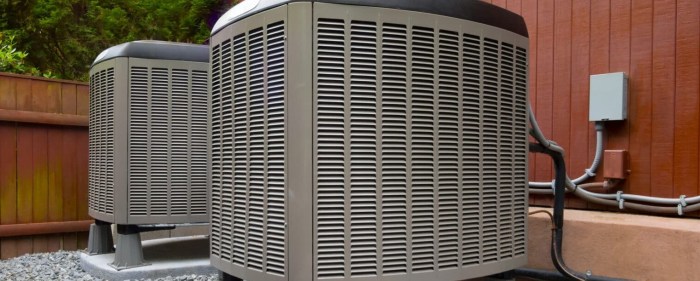
When considering a central air replacement, it's essential to understand the different types of central air systems available to choose from. Each type has its own set of features and benefits that cater to specific needs and preferences.
Split Systems
Split systems are the most common type of central air system found in homes. They consist of an outdoor unit that houses the condenser and compressor, and an indoor unit that contains the evaporator coil. The two units are connected by refrigerant lines.
Split systems are versatile, efficient, and provide customizable comfort with zoning options.
Packaged Systems
Packaged systems, on the other hand, house all components of the central air system in a single outdoor unit. These systems are ideal for homes with limited indoor space. Packaged systems are easy to install and maintain, making them a convenient choice for many homeowners.
Features and Benefits Comparison
- Split Systems:
- Customizable comfort with zoning options.
- Quiet operation.
- Energy-efficient.
- Packaged Systems:
- Space-saving design.
- Easy installation and maintenance.
- Cost-effective.
Factors to Consider
Before choosing a new central air system for replacement, consider the following factors:
- Size of your home and cooling requirements.
- Energy efficiency ratings of the system.
- Budget constraints and installation costs.
- Availability of space for the indoor and outdoor units.
- Desired features such as programmable thermostats or humidity control.
Cost Considerations

When considering the cost of central air replacement, several factors come into play. These include the cost of the equipment itself, the installation fees, and the labor costs involved in the process. It's essential to understand how these factors influence the overall cost of replacing a central air system.
Impact of Energy Efficiency Ratings
Energy efficiency ratings play a significant role in determining the cost of central air replacement. Higher efficiency systems may come with a higher upfront cost but can result in long-term savings on energy bills. Systems with higher efficiency ratings are often more expensive to purchase and install, but their operational cost over time can be lower due to reduced energy consumption.
- Systems with higher SEER (Seasonal Energy Efficiency Ratio) ratings are generally more expensive upfront but can lead to significant cost savings over time through lower energy consumption.
- Investing in a more energy-efficient central air system may qualify you for rebates or incentives offered by utility companies or government programs, further offsetting the initial cost.
Potential Cost Savings with Upgrading
Upgrading to a more efficient central air system can result in substantial cost savings in the long run. While the initial investment may be higher, the energy savings and potential rebates can make upgrading a financially sound decision.
- Energy-efficient systems can help reduce monthly utility bills, especially in regions with hot summers or cold winters where the HVAC system is used frequently.
- Modern central air systems are designed to be more efficient, utilizing advanced technology to optimize performance and reduce energy consumption.
- Regular maintenance and proper usage of a new central air system can further enhance its efficiency and prolong its lifespan, leading to additional cost savings over time.
Installation Process

When it comes to replacing a central air system, the installation process is crucial to ensure optimal performance and efficiency in your home. Proper sizing and installation are key factors that need to be carefully considered to achieve the desired results.
Professional HVAC technicians play a vital role in this process, ensuring that the new system is installed correctly and functions properly.
Removal of Old System
- Disconnecting and removing the old central air system, including the compressor, condenser, and air handler.
- Properly disposing of the old system in accordance with environmental regulations.
Proper Sizing and Installation
- Conducting a load calculation to determine the right size of the new central air system for your home.
- Ensuring proper ductwork design and installation to maximize airflow and efficiency.
- Positioning the new system in an optimal location to ensure proper air distribution throughout the home.
Role of HVAC Technicians
- Professional HVAC technicians have the expertise to properly size and install the new central air system.
- They ensure that all components are connected correctly and that the system is running efficiently.
- HVAC technicians can address any issues that may arise during the installation process to ensure the system functions as intended.
Maintenance Tips for New Central Air Systems

Regular maintenance is key to ensuring the longevity and efficiency of your newly replaced central air system. By performing routine tasks and inspections, you can prevent the need for premature replacement in the future.
Filter Replacement
- Regularly check and replace air filters every 1-3 months to maintain optimal airflow and air quality.
- Dirty filters can cause strain on the system, leading to decreased efficiency and potentially costly repairs.
System Inspections
- Schedule annual professional inspections to ensure all components are working properly and efficiently.
- Regular maintenance can help detect issues early on, preventing major breakdowns and prolonging the lifespan of your system.
Outdoor Unit Maintenance
- Keep the outdoor unit clear of debris, such as leaves or branches, to allow for proper airflow and ventilation.
- Trim any vegetation around the unit to prevent obstruction and ensure optimal performance.
Closing Notes

In conclusion, central air replacement is not just about swapping out an old unit for a new one—it's about optimizing your home's comfort and energy efficiency. By investing in a quality replacement and following recommended maintenance practices, you can enjoy a cool and refreshing indoor environment for years to come.
Popular Questions
What are common signs that indicate the need for central air replacement?
Common signs include frequent breakdowns, uneven cooling, strange noises, and a significant increase in energy bills.
How long do central air systems typically last before needing replacement?
The average lifespan of central air systems is around 10-15 years, depending on usage and maintenance.
What factors should be considered when choosing a new central air system for replacement?
Factors to consider include the size of your home, energy efficiency ratings, upfront costs, and long-term savings on energy bills.
How can maintenance help prevent premature central air replacement?
Regular maintenance tasks like filter replacement and system inspections can help identify issues early and keep your system running efficiently.