Crafting an Effective HVAC Maintenance Plan for Optimal System Performance
Exploring the realm of HVAC maintenance plans, this introduction delves into the significance of proactive maintenance for heating, ventilation, and air conditioning systems. From cost-saving benefits to improved indoor air quality, the importance of a well-structured maintenance plan cannot be overstated.
As we navigate through the components, frequency of tasks, DIY tips, and more, readers will gain valuable insights into ensuring their HVAC systems operate efficiently and effectively.
Importance of HVAC Maintenance Plan

Regular HVAC maintenance is essential for ensuring optimal system performance and longevity. By implementing a maintenance plan, you can address minor issues before they escalate into major problems, ultimately saving you time and money in the long run.
Cost-saving Benefits of Regular HVAC Maintenance
- Prevents costly breakdowns and repairs
- Improves energy efficiency, reducing utility bills
- Prolongs the lifespan of your HVAC system, delaying the need for replacement
Improved Indoor Air Quality
- A well-maintained HVAC system helps to filter out dust, allergens, and other pollutants, leading to cleaner and healthier indoor air
- Regular maintenance ensures proper ventilation and circulation, reducing the risk of mold and mildew growth
Risks of Neglecting HVAC Maintenance
- Decreased system efficiency, resulting in higher energy consumption
- Potential health hazards from poor indoor air quality
- Increased likelihood of sudden breakdowns and costly repairs
Components of an HVAC Maintenance Plan
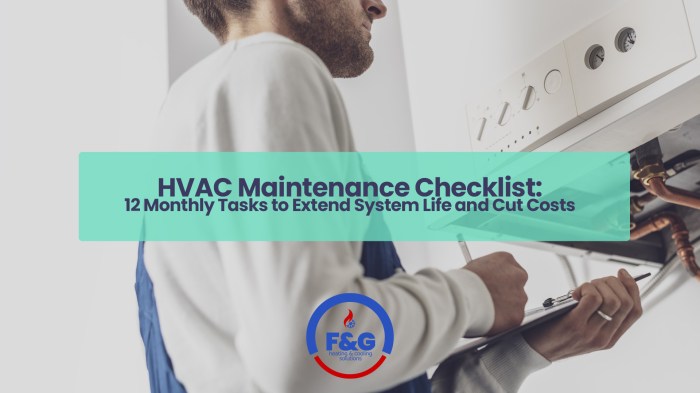
Regular maintenance is crucial for ensuring the optimal performance and longevity of your HVAC system. A comprehensive maintenance plan should include several key components to keep your system running efficiently.
Regular Inspections and Tune-Ups
- Regular inspections by HVAC professionals help identify any potential issues before they escalate into major problems.
- Tune-ups involve adjusting and calibrating various components of the system to ensure optimal performance and energy efficiency.
- These inspections and tune-ups should be scheduled at least once a year to catch any issues early on.
Changing Filters and Cleaning Ducts
- Changing filters regularly is essential for maintaining good indoor air quality and preventing dust and debris from clogging the system.
- Cleaning ducts helps improve airflow and efficiency by removing any build-up of dirt, dust, or mold.
- Both tasks should be performed as part of routine maintenance to prevent issues and prolong the lifespan of your HVAC system.
Role of Professional HVAC Technicians
- Professional HVAC technicians play a crucial role in executing an effective maintenance plan.
- They have the knowledge and expertise to identify potential problems and perform necessary repairs or adjustments.
- Technicians can also provide valuable advice on how to optimize the performance of your HVAC system and improve energy efficiency.
Frequency of Maintenance Tasks

Regular maintenance is crucial for the efficient operation of HVAC systems. Different maintenance tasks should be performed at varying intervals to ensure optimal performance and longevity of the system.
Heating vs. Cooling Systems Maintenance
- Heating systems typically require maintenance once a year, ideally before the start of the winter season. This includes inspecting and cleaning the furnace, checking for leaks, and ensuring proper airflow.
- Cooling systems, on the other hand, should be serviced at least once a year before the summer season begins. This involves cleaning the condenser coils, checking refrigerant levels, and inspecting the overall system for any issues.
Seasonal Considerations
- During the fall, it is important to prepare the heating system for the upcoming winter. This may involve replacing filters, inspecting the ignition system, and checking for any potential safety hazards.
- In the spring, focus on the cooling system to ensure it is ready for the summer months. Clean or replace air filters, check the thermostat settings, and inspect ductwork for leaks.
Scheduling Maintenance Appointments
- It is recommended to schedule maintenance appointments at least twice a year, ideally in the spring and fall, to address both heating and cooling systems.
- Consider signing up for a maintenance plan with a reputable HVAC company to ensure timely and regular servicing of your system throughout the year.
DIY Maintenance Tips

Regular maintenance of your HVAC system is crucial for its optimal performance and longevity. While professional help is recommended for more complex tasks, there are simple maintenance tips that homeowners can incorporate into their HVAC maintenance plan to ensure efficiency and prevent costly repairs.
Filter Cleaning and Replacement
Regularly cleaning or replacing your HVAC filters is one of the easiest and most effective ways to maintain your system. Clogged filters restrict airflow, causing your system to work harder and consume more energy. Follow these steps:
- Turn off the power to the system before removing the filter.
- Check the filter every month and replace it if it looks dirty or clogged.
- Use a vacuum or gentle cleaning brush to remove dust and debris from reusable filters.
- Make sure to install the filter in the correct direction of airflow.
Condenser and Evaporator Coil Cleaning
Cleaning the condenser and evaporator coils can improve the efficiency of your HVAC system. Here's how you can do it safely:
- Turn off the power to the system before starting the cleaning process.
- Remove any debris or vegetation around the outdoor condenser unit.
- Gently clean the coils with a soft brush or vacuum to remove dirt and debris.
- Use a coil cleaner spray for more thorough cleaning, following the manufacturer's instructions.
Air Duct Inspection
Checking your air ducts for leaks or blockages can improve airflow and energy efficiency. Follow these steps to inspect your air ducts:
- Visually inspect the ductwork for any visible leaks, holes, or disconnected sections.
- Seal any leaks with duct mastic or foil tape to prevent air loss.
- Clean the air ducts regularly to remove dust, debris, and mold buildup.
- Consider hiring a professional duct cleaning service for a more thorough inspection and cleaning.
Outcome Summary

In conclusion, an HVAC maintenance plan serves as the cornerstone of system longevity and performance. By adhering to best practices, homeowners can enjoy a comfortable indoor environment while maximizing energy efficiency and cost savings.
FAQ Overview
How often should HVAC filters be changed?
Filters should typically be changed every 1-3 months, depending on usage and filter type.
What are the risks of neglecting HVAC maintenance?
Neglecting maintenance can lead to decreased system efficiency, higher energy bills, and potential costly repairs.
Can homeowners perform HVAC maintenance tasks on their own?
Yes, homeowners can handle tasks like filter replacement and basic cleaning, but more complex issues should be left to professionals.
How often should HVAC systems be inspected by professionals?
Professional inspections should be done at least once a year to ensure optimal system performance.
What are the benefits of scheduling regular HVAC maintenance appointments?
Regular maintenance appointments help identify potential issues early, improve system efficiency, and extend the lifespan of HVAC equipment.